
How to Plan With Hobonichi Planners
Laurence DeerOkay, so if you have picked up a Hobonichi planner and then stared at the first page not quite sure where to start — that is completely normal. The Hobonichi is one of those planners that gives you a lot of freedom, which is wonderful and also a little overwhelming until you find your rhythm.
Here is the thing that makes everything click: each section needs one job. Not five jobs. One. The yearly pages have their job. The monthly pages have theirs. The weekly or daily pages have theirs. Once you decide what each section is responsible for, the whole system stops feeling like something you have to figure out and starts feeling like something that actually works for you.
And the goal is never a perfect spread. It is a planning routine you genuinely want to come back to — even after a week where you opened the planner exactly zero times.
Give each section of your Hobonichi one clear role
Before you add a single sticker or pick a color scheme, decide what each part of your planner is actually for. The yearly overview is your big picture — travel, launches, birthdays, school terms, anything that matters across the whole year. The monthly pages are for appointments, deadlines, bills, and recurring events that affect more than one day. The weekly or daily pages are where the actual living happens: the task lists, the priorities, the small details you need close at hand.
This one decision — what lives where — stops you from writing the same thing in three different places and then not trusting any of them. Monthly page for the big picture. Daily or weekly page for what you are actually doing today. If something only matters today, it belongs on the daily page. If it affects your whole month, it belongs somewhere you will see it before the week gets away from you.

Choose the format that matches how you actually plan
Here is where the Hobonichi gets really fun, because there are genuinely different formats for different kinds of planners. The Weeks is great if you love seeing the whole week at a glance with room for notes and a tracker. The A6 Original or Planner gives you a compact daily page that works beautifully for short lists, journaling, a few priorities, or memory keeping.
The Cousin gives more room if you want monthly, weekly, and daily planning all in one larger book. The Day-Free and 5-Year formats are better for flexible planning or long-term memory keeping where a traditional date structure would feel too rigid. If your Hobonichi is part of a bigger desk setup alongside other notebooks or journals, planners and notebooks is worth browsing so every book in your collection has a clear role instead of all of them becoming the place where everything ends up.
Build a weekly planning rhythm that actually sticks
A simple weekly rhythm is what turns a beautiful planner into a useful one. Pick one time each week — even ten minutes is enough — to look ahead. Add appointments first, then deadlines, then the two or three priorities that actually matter most that week. Keep the list honest. Three things you will actually do beats twenty things that will just roll forward again.
Once the structure is there, add small visual cues that help you read the page faster: a box around the top priority, a tiny icon for a bill or birthday or workout, a strip of tape to separate work from personal. For a real example of how function and decoration can share a page without either one winning, the cozy functional Hobonichi spread guide shows exactly how that balance works.
At the end of the week, use the page as feedback rather than a scorecard. Circle what worked. Move unfinished tasks forward without guilt. Notice which sections you actually opened. If the daily pages stayed blank but your weekly spread became your anchor, lean into that. A Hobonichi setup gets better when it responds to your real life rather than the ideal planning life you imagined when you bought it.
Use daily pages without trying to fill them
This is the part where a lot of people get stuck. Daily pages can feel like a demand — like you owe the planner a full day's worth of content. You do not. Use the page for whatever is actually useful: a schedule, three tasks, meals, a habit check, a few lines of journaling, a memory you want to hold onto. If you miss a day, leave it blank or turn it into something later. A blank page is not a planning failure. It is just a day that did not need much from you.
One simple daily setup that works for a lot of people: appointments near the timeline area, three tasks near the top, the rest of the space for notes as the day unfolds. Another approach is to divide the page loosely into work, personal, and memory. Try the simplest version first and adjust after a week or two of actual use — not a week of planning to use it.

Add stickers where they make the page easier to use
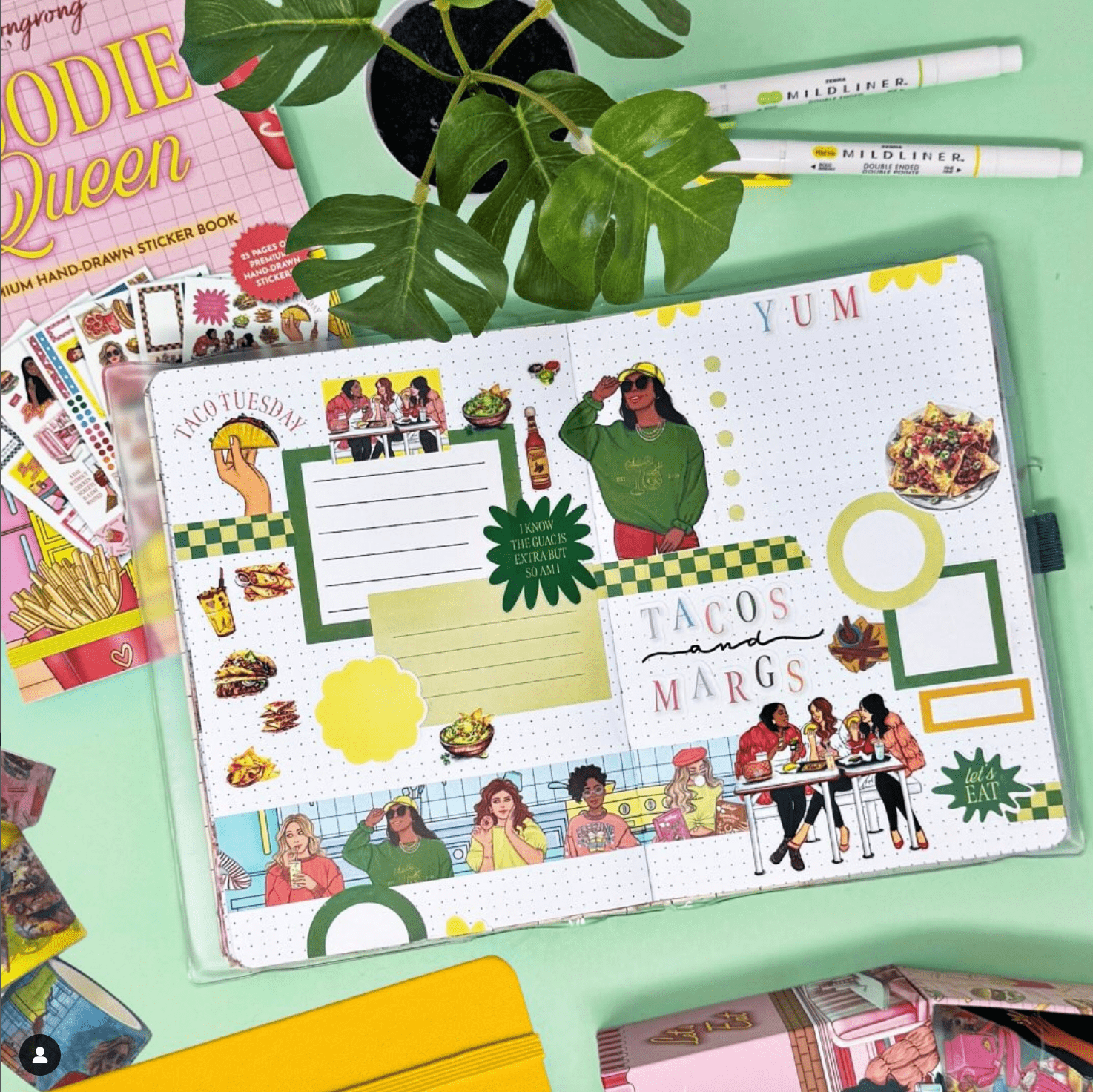
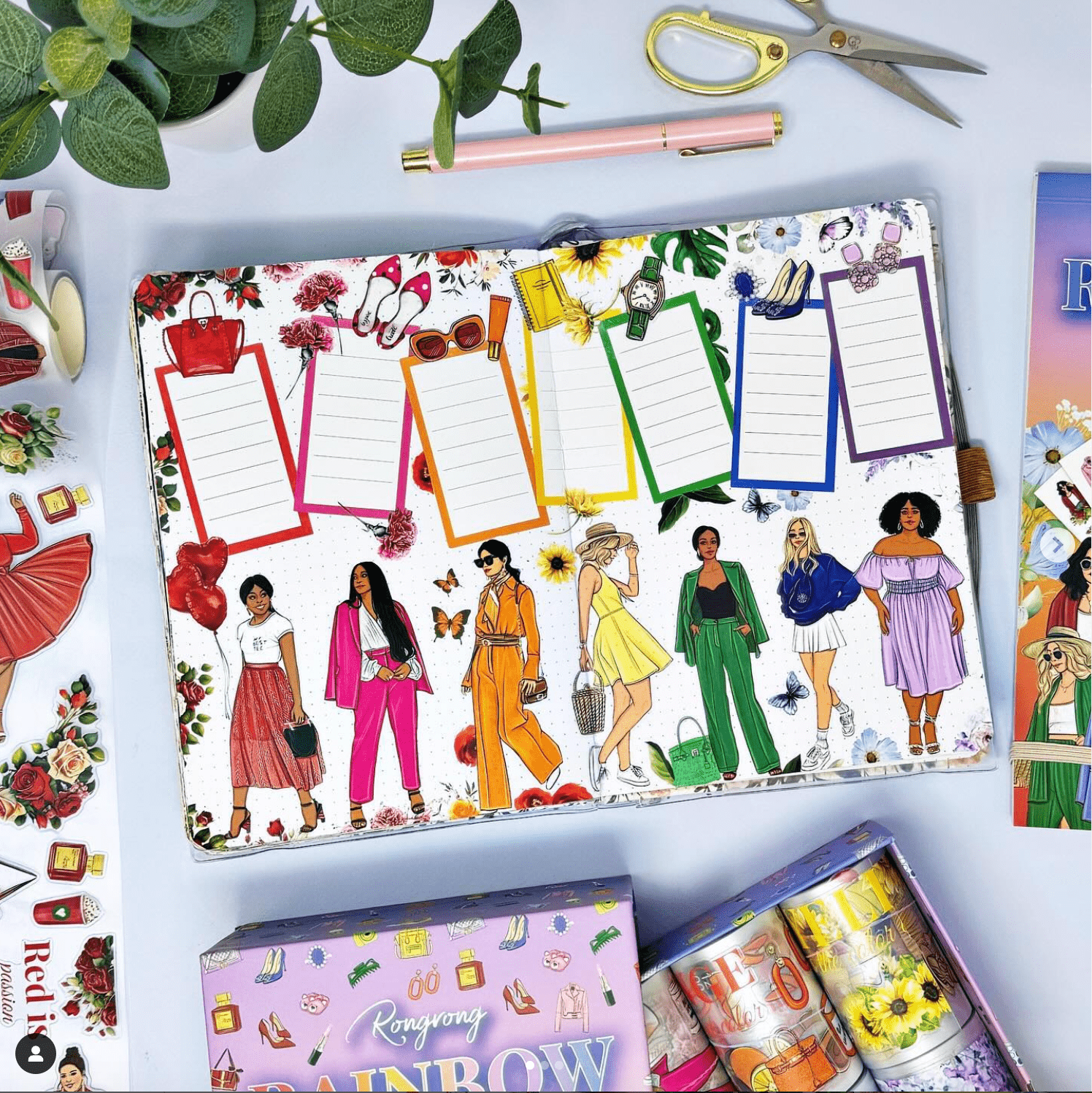
Stickers are not decoration first — they are tools first. The best ones make the page faster to read, easier to navigate, and more enjoyable to come back to. Start with Hobonichi stickers that are sized for smaller page spaces, then layer in planner stickers for headers, habit icons, reminders, and visual markers that help you scan the spread at a glance. A few well-placed pieces can do more for a layout than a fully decorated page that takes twenty minutes to set up.
If you like having coordinated options ready to pull from, sticker books are the easiest way to keep functional labels, decorative accents, quotes, and seasonal details all in one place — no hunting through loose sheets. For pages where you want something more layered and dimensional, PET tape adds borders, backgrounds, and polished finishing details without needing a full spread redesign. And if you want real placement ideas before you sit down with your next layout, the guide to decorative planner stickers is worth reading first.
Keep your system easy to come back to
The best Hobonichi planning system is not the prettiest one. It is the one you can pick back up after a week of not touching it and immediately know what to do. Keep a few repeating rules: monthly pages for big dates, weekly or daily pages for priorities and action, stickers and tape only where they make the page clearer or more inviting. Less pressure, less perfection. Once that rhythm is in place, your Hobonichi stops being something you maintain and starts being something you actually use — and that is the whole point.